A Cultural History of the Environment in the Age of Emperors
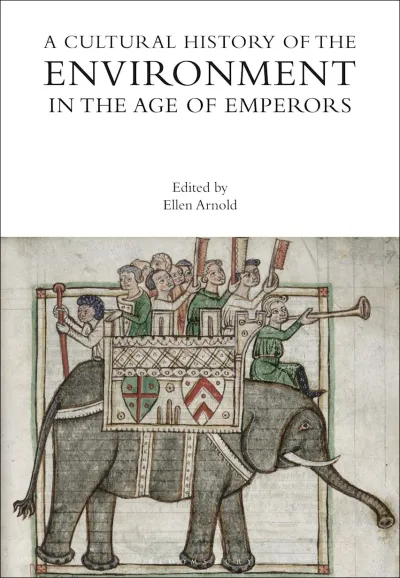
The Age of Emperors (400-1200 CE) was a period marked by societies and individuals who stretched outside of regional spaces to attempt to govern larger empires. These empires relied upon, exploited, and re-configured the natural environment, creating frameworks of dominion over animals and places as well as people. In China, for example, the era witnessed incredible feats of environmental control, including the construction of the Grand Canal, the establishment of gigantic, planned urban centers, and the unification of northern and southern China and their different ecologies. This period also witnessed the linking up of Eurasia slowly and gradually by thousands of trade caravans, armies, scholars, monks, and missionaries, though the catastrophic implications of this connection lay unseen on the horizon for people living in the twelfth century.
This volume explores the interactions between people, places, plants, and animals in the context of human decisions, structures, and choices. It shows how nature shaped human lives, but also how humans responded to and represented the limits and opportunities that their locations offered.
Drawing upon both visual and textual sources, A Cultural History of the Environment in the Age of Emperors presents an overview of the period and examines key cultural case studies on the themes of earth; skies, climate, and the atmosphere; work, energy, and power; water; forests; animals; cities and settlements; war; and disasters and resilience.
Investigators
Filters: 2021